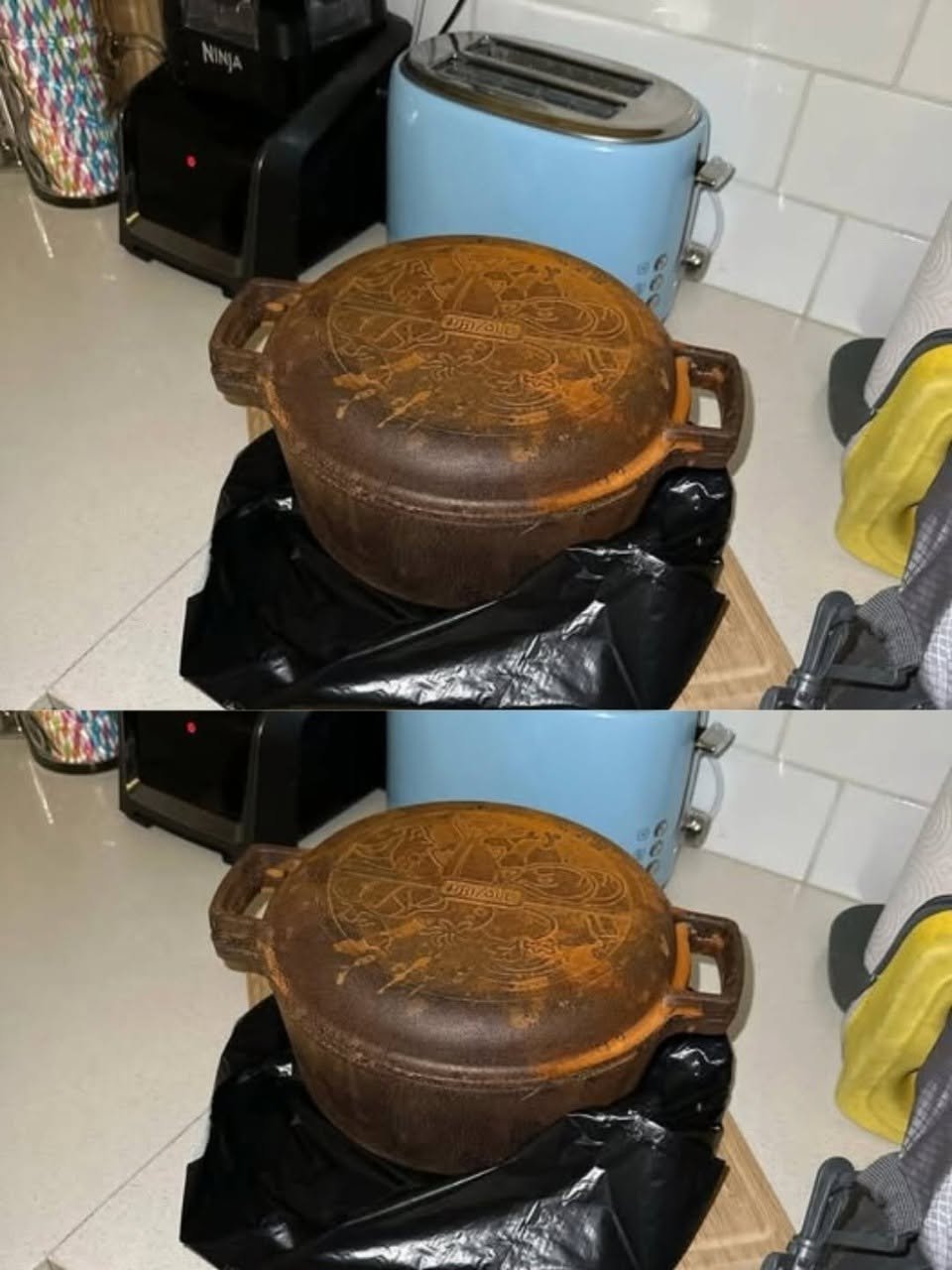
The cast iron skillet is widely regarded as the ultimate workhorse of the modern kitchen. Celebrated for its incredible heat retention, natural non-stick properties, and unmatched durability, a well-seasoned pan can transition seamlessly from searing a premium steak on the stovetop to baking rustic cornbread in the oven. For many home cooks, these heavy pans are more than just cookware—they are cherished kitchen heirlooms passed down through generations.
However, despite its reputation for near-indestructibility, cast iron is not a one-size-fits-all tool. The very characteristics that make it exceptional—its porous metal surface and organic, oil-based seasoning—also make it highly vulnerable to specific chemical reactions and structural damage. To protect your pan’s hard-earned patina and ensure your meals always taste their best, it is vital to know which ingredients should stay far away from its surface.
The Culinary Science: Seasoning Polymerization & Iron Reactivity
The Chemistry of the “Non-Stick” Patina
To understand why certain foods ruin cast iron, we must look at the science of “seasoning.” Unlike synthetic non-stick coatings, cast iron relies on a biological process called lipid polymerization.
When fats or oils are heated to their smoke points in the pan, they undergo a chemical transformation. The liquid fat molecules link together to form a hard, plastic-like solid plastic matrix that bonds directly to the porous iron surface. This organic barrier is what prevents food from sticking and protects the raw iron from rusting.
Chemical Reactions and Flavor Leaching
When this delicate polymer barrier is exposed to the wrong ingredients, chemical instability occurs:
-
Acidic Stripping: Acidic ingredients act as solvents. They break down the polymerized oil bonds, dissolving the protective seasoning layer and exposing the raw, highly reactive iron underneath.
-
Metallic Ion Transfer: Once the raw iron is exposed, acids react directly with the metal, leaching metallic iron ions into your food. This results in an unpleasant, metallic taste and can turn bright sauces a dull, unappetizing gray.
For Complete Cooking STEPS Please Head On Over To Next Page Or Open button (>)