The Primary Triggers of Excess Nighttime Saliva
1. Sleeping Position
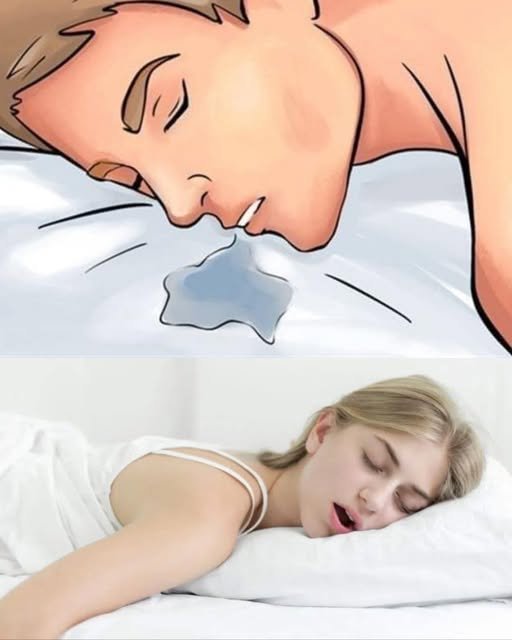
Your sleeping posture is often the single biggest contributor to a wet pillow. Sleeping on your side or stomach makes it incredibly easy for gravity to pull saliva out of your mouth. Conversely, sleeping flat on your back naturally forces excess saliva toward the back of your throat, where it triggers an automatic, subconscious swallowing reflex.
2. Acid Reflux (GERD)
If you suffer from Gastroesophageal Reflux Disease (GERD), your stomach acid frequently travels back up into your esophagus at night. To protect your sensitive throat tissue from these corrosive digestive juices, your brain automatically signals your salivary glands to produce extra saliva—which is highly alkaline—to neutralize the acid.
3. Oral Inflammation or Dental Work
Active dental infections, gum disease, mouth sores, or newly fitted orthodontic braces and dentures can irritate the sensory nerves inside your mouth. This localized irritation prompts your salivary glands to produce excess fluid to help soothe and wash away potential contaminants.
Step-by-Step Nighttime Care Routine to Reduce Drooling
If nighttime drooling is disrupting your comfort, implement this straightforward, evidence-based evening routine:
When to Consult a Medical Professional
While occasional drooling is harmless, you should consult a doctor if you experience:
-
Sudden, excessive drooling that starts out of nowhere.
-
One-sided drooling accompanied by facial weakness or slurred speech (which can signal neurological issues).
-
Difficulty swallowing or a persistent feeling of a lump in your throat.
-
Loud, disruptive snoring interrupted by frequent pauses in breathing (a classic sign of obstructive sleep apnea).
Saliva Dynamics & Nighttime Sleep Guide
| Nighttime Drooling Cause | Underlying Physiological Pathway | Primary Resulting Effect | Recommended Target Solution |
| Side Sleeping Posture | Gravity pulls saliva toward the lips | Saliva pools and leaks onto the pillow | Shift to back-sleeping; use body pillows |
| Allergy Nasal Blockage | Swollen nasal linings force mouth breathing | Dry mouth triggers excess saliva production | Daily saline rinses or allergy treatments |
| Gastroesophageal Reflux | Esophageal acid triggers salivary glands | Excess alkaline saliva is produced | Elevate your head; manage dietary triggers |
| Deep REM Sleep Stages | Facial muscle atonia relaxes your jaw | Your mouth drifts open during deep rest | Practice consistent, healthy sleep habits |
For Complete Cooking STEPS Please Head On Over To Next Page Or Open button (>)